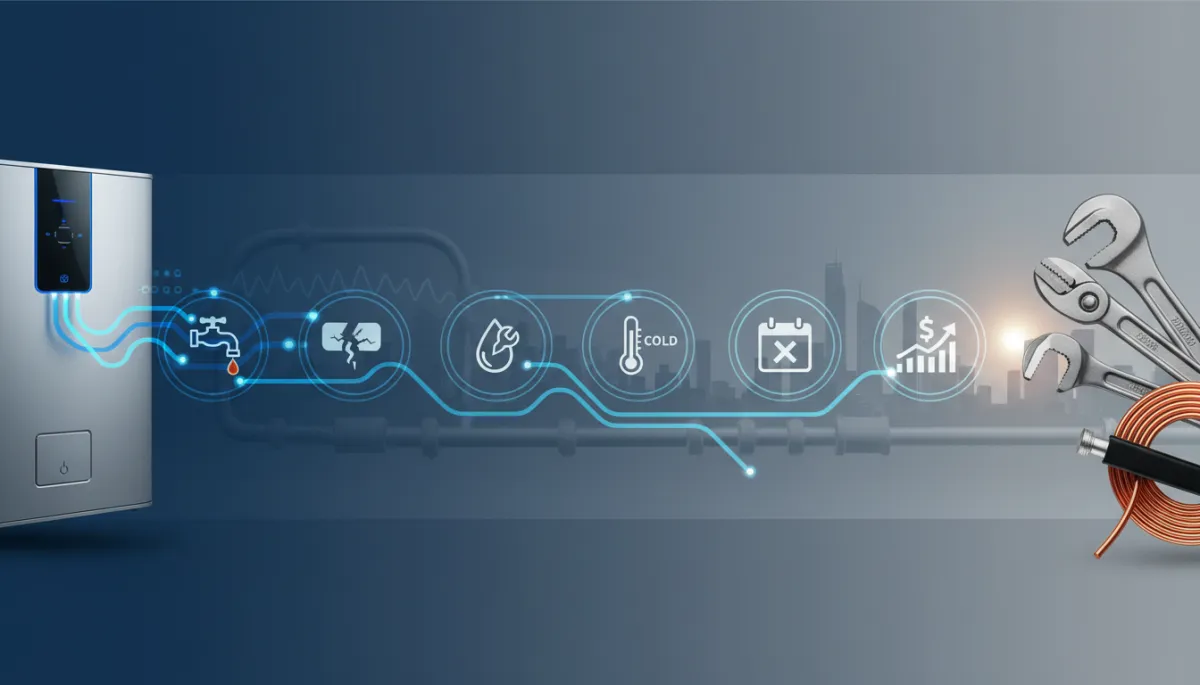
Is Your Hot Water System Living on Borrowed Time?
Plumbing, Hot Water System, Maintenance
Is Your Hot Water System Living on Borrowed Time? 6 Signs It Needs Replacing
A failing hot water system rarely stops working out of the blue. More often, it sends early warning signs that busy professionals overlook—until a cold shower or flooded plant room forces an urgent call to a plumber. Understanding those signals can help you plan ahead, protect your property, and avoid costly downtime.
Why Paying Attention to Your Hot Water System Matters
For professionals juggling work, family, and commitments, hot water is one of those behind-the-scenes essentials you expect to “just work.” Yet an aging or neglected Hot Water System is a common source of unexpected plumbing issues—from leaks that damage flooring to energy bills that quietly creep upward each quarter.
Whether you manage a busy household, a home office, or an investment property, being proactive about your system’s condition is far cheaper and less stressful than dealing with an emergency failure. Local services such as hot water repair gold coast are often called out to breakdowns that could have been prevented if the early signs were recognised and acted on sooner.
Sign 1: Your System Is Older Than You Think
Every hot water unit has a typical service life. As a general guide, storage electric and gas systems last around 8–12 years, while continuous flow systems can stretch a little longer with regular maintenance. If your unit is approaching, or has passed, that age bracket, it may be living on borrowed time even if it still appears to work “fine” day to day.
Check the compliance plate on the side of your tank or inside the cover of your instantaneous unit. The manufacture date is usually stamped there. If you own property in areas like Robina or the wider Gold Coast, local plumbers who specialise in hot water system can confirm the age and realistic remaining life of your current installation during a quick inspection or service call.
💡 Pro Tip: If your system is over 10 years old, start researching replacement options now so you can choose on your terms—not in the middle of a cold-water crisis.
Sign 2: Inconsistent Water Temperature or Pressure
One of the earliest red flags is inconsistency. If your showers swing from hot to lukewarm, or you notice pressure dropping when multiple taps are in use, your hot water system may be struggling to keep up. Sediment build-up in storage tanks, failing thermostats, or worn components in instantaneous units can all reduce performance long before a complete failure occurs.
Water turns cold quickly, even after the system has had time to heat.
Temperature fluctuates during a single shower without you adjusting the taps.
Hot water pressure is noticeably weaker than cold water pressure.
These symptoms can sometimes be resolved with targeted repairs, especially if the unit is relatively new. However, if you’re calling hot water repair repeatedly for the same issues, replacement is often the more economical long-term solution.
Sign 3: Rusty, Discoloured, or Metallic-Tasting Water
Turn on a hot tap and notice brownish water, tiny rust flakes, or an odd metallic taste? That’s a strong indicator that corrosion is taking hold inside your storage tank or pipework. Over time, sacrificial anodes deteriorate and the internal lining of the tank can begin to break down, allowing rust to contaminate your hot water supply.
While a discoloured burst immediately after maintenance or plumbing work can be normal, persistent rusty water from the hot tap is a warning sign you shouldn’t ignore. Once a tank starts corroding from the inside, it is usually more cost-effective—and safer—to replace the entire Hot Water System rather than attempt patch repairs that only delay the inevitable.
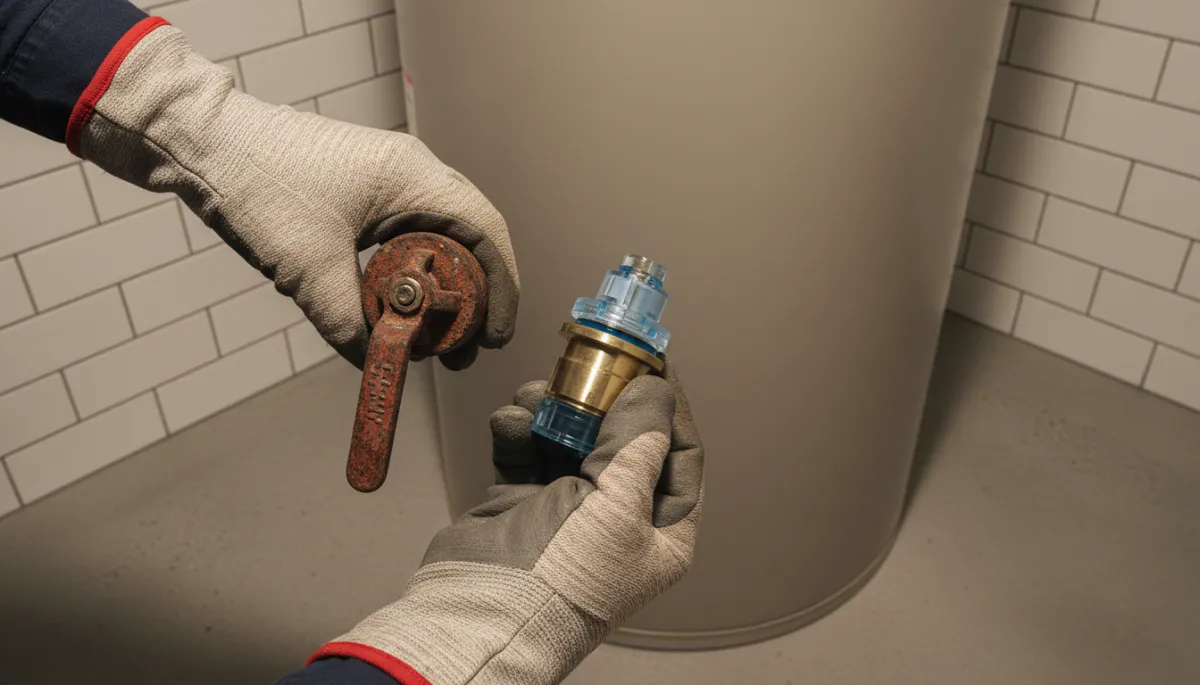
Visible corrosion is often the surface sign of deeper internal hot water system damage.
Sign 4: Frequent Leaks, Drips, or Damp Patches
A small drip from a relief valve might seem harmless, but recurring leaks are a serious warning sign. Even minor seepage can quickly escalate into a burst tank, flooding, and significant property damage—particularly in apartments, offices, or townhouses where the hot water unit is tucked into a cupboard or ceiling space.
Puddles or dampness around the base of the tank.
Corrosion or white mineral build-up on connections and joints.
Musty smells or swelling skirting boards near the system location.
Left unchecked, these leaks can trigger a chain of plumbing issues—from mould growth to structural damage. Professionals servicing hot water system installations often recommend replacement when leaks originate from the tank body itself rather than from external fittings, as this usually indicates internal failure.
⚠️ Warning: If you notice active leaking, switch off power or gas to the unit and contact a licensed plumber immediately to reduce risk of electrical hazards and water damage.
Sign 5: Unusual Noises Coming from the System
A healthy hot water system should operate quietly in the background. If you start to hear banging, rumbling, popping, or hissing sounds, it’s time to pay attention. These noises often come from sediment build-up at the bottom of a storage tank, water boiling beneath the sediment layer, or components straining to operate under pressure.
In some cases, a professional flush and service from a technician can extend the life of the unit. However, if the system is already older, noisy operation is usually a sign that internal wear and tear has progressed too far for simple maintenance to be worthwhile.
Sign 6: Rising Energy Bills and Repair Costs
An inefficient hot water system silently drains money every month. As components age, they often require more energy to deliver the same volume of hot water. You may notice your electricity or gas bills creeping up without any obvious change in your household’s usage patterns. Combine that with frequent call-outs for minor repairs, and the total cost of ownership can quickly exceed the price of a new, efficient unit.
Scenario Likely Best Option System under 5 years old, first minor fault Targeted repair and maintenance System 8–12 years old, repeated breakdowns Planned replacement with efficient model Noticeable bill increases plus leaks or rust Urgent assessment and likely full system upgrade
Modern hot water technology—whether high-efficiency electric, gas, or heat pump—can significantly reduce running costs compared with older units. For time-poor professionals, that means fewer surprise breakdowns and more predictable household expenses.
Repair or Replace? How to Decide with Confidence
Deciding between another repair and a full replacement can feel like a grey area. A practical way to approach it is to consider three factors: age, safety, and cost. If your Hot Water System is nearing the end of its expected life, showing multiple signs from this list, and posing any risk of leaks or electrical issues, replacement is usually the smarter choice.
Age: Over 8–10 years for storage systems is a key threshold.
Safety: Any sign of active leaks, corrosion, or electrical concerns demands urgent attention.
Cost: If a repair is more than 30–40% of the cost of a new system, upgrading is often more economical.
Engaging a specialist service such as Hot Water System Gold Coast gives you a clear, professional assessment rather than guesswork. They can advise whether your existing unit in areas like Robina, Southport, or Broadbeach is a good candidate for repair, or whether a modern hot water system robina upgrade will deliver better performance, reliability, and energy efficiency.
Take a Proactive Approach to avoid disruption.
For busy professionals, the real cost of a failing hot water system isn’t just the plumber’s invoice—it’s the disruption to your schedule, the stress of managing urgent plumbing issues, and the potential damage to your property. Acting when you first notice the warning signs gives you time to compare options, plan installation around your calendar, and choose a system that suits your long-term needs.
If any of the six signs above sound familiar—ageing unit, inconsistent temperature, rusty water, leaks, strange noises, or rising bills—your hot water system may indeed be living on borrowed time. Scheduling a professional assessment now can turn an impending emergency into a controlled, cost-effective upgrade.
📌 Key Takeaway: Don’t wait for a cold shower or flooded floor to tell you your hot water system is failing. Recognise the early signs, consult a trusted local expert, and replace on your terms—not in a crisis.
