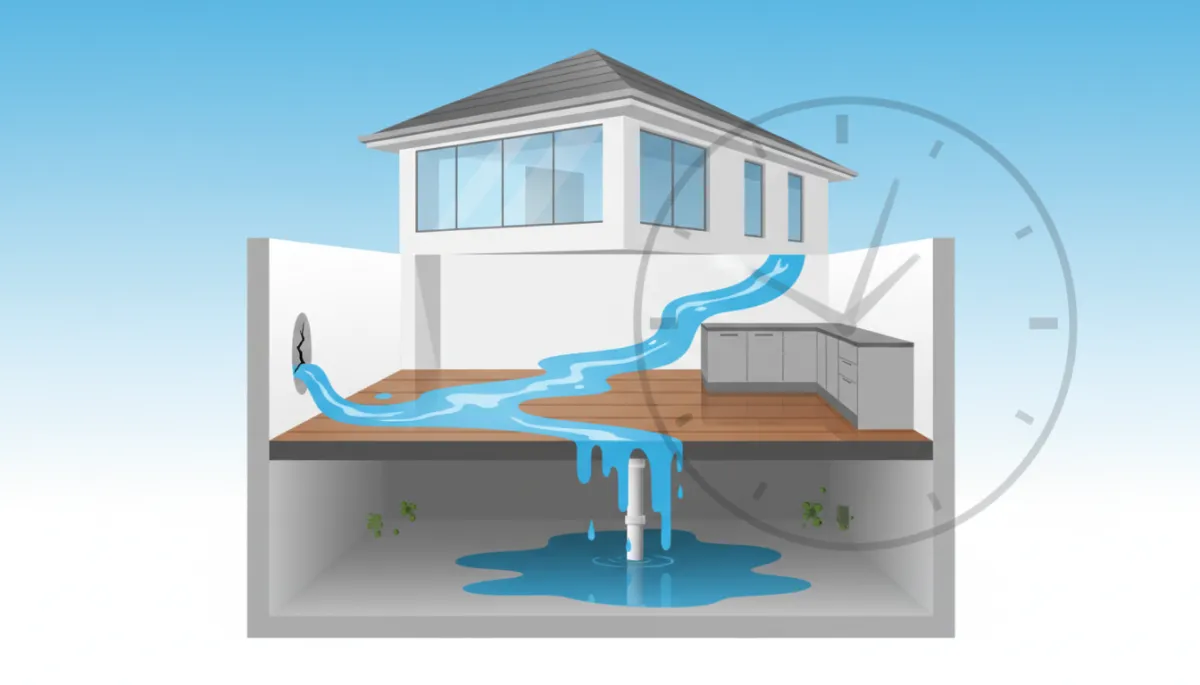
Robina Homeowner's Guide to Water Damage Response
Home Maintenance, Water Damage, Robina
Water Where It Shouldn’t Be: A Robina Homeowner’s Guide to Acting Fast
A small leak in your Robina home can turn into a major headache if you hesitate. This practical guide shows you how to spot water where it shouldn’t be, what to do in the first critical minutes, and when to call in local professionals before minor damage becomes a costly disaster.
1. Spotting Water Where It Shouldn’t Be
In a well-maintained home, water has designated places: taps, sinks, showers, toilets, and pipes. Water where it shouldn’t be is any moisture, drip, stain, or pooling that appears outside these areas. In Robina’s humid coastal climate, ignoring these early signs is risky, as warmth and moisture create perfect conditions for mould and structural damage to develop quickly.
Ceilings: Brownish rings, sagging plaster, or damp patches after rain can indicate a roof or gutter leak.
Walls and skirting boards: Bubbling paint, swelling timber, or soft plaster often signal hidden pipe leaks.
Floors: Unexpected damp carpet, warped floorboards, or tiles lifting near bathrooms and kitchens suggest moisture underneath.
Outside: Constantly wet patches in the yard or along external walls, even after dry weather, may point to broken pipes or drainage issues.
💡 Pro Tip: Do a quick “water walk-through” of your home every month, checking ceilings, corners, under sinks, and around fixtures for new stains or damp spots.
2. A Robina Homeowner’s Step‑By‑Step Guide to Responding
When you notice water where it shouldn’t be, staying calm but moving quickly is essential. Here is a simple, Robina‑focused action plan you can follow the moment you spot trouble, whether it is a burst pipe, a leaking appliance, or stormwater intrusion after heavy rain.
Make it safe first. Turn off electricity to the affected area at the switchboard if water is near power points, lights, or appliances. Never step into deep water if you suspect live power.
Stop the water source. For plumbing issues, shut off the closest isolation valve or the main water meter, usually located near the front boundary of Robina properties. For stormwater, close windows and doors and use towels or door snakes to block further ingress.
Protect your belongings. Move furniture, rugs, electronics, and valuables away from the wet area. Place aluminium foil or plastic under furniture legs that cannot be moved to prevent staining and swelling of floors.
Start basic clean‑up. Use towels, mops, or a wet/dry vacuum if you have one. Open windows and doors to encourage airflow, taking advantage of Robina’s coastal breezes when conditions are safe and dry outside.
Document the damage. Take clear photos and short videos of the water source, affected rooms, and any damaged items. This evidence is invaluable for insurance claims and when speaking to local trades.
Call in professionals. Contact an emergency plumber or water damage restoration specialist familiar with Robina’s building styles and soil conditions. They can identify hidden leaks, check for structural issues, and properly dry out wall cavities and subfloors.
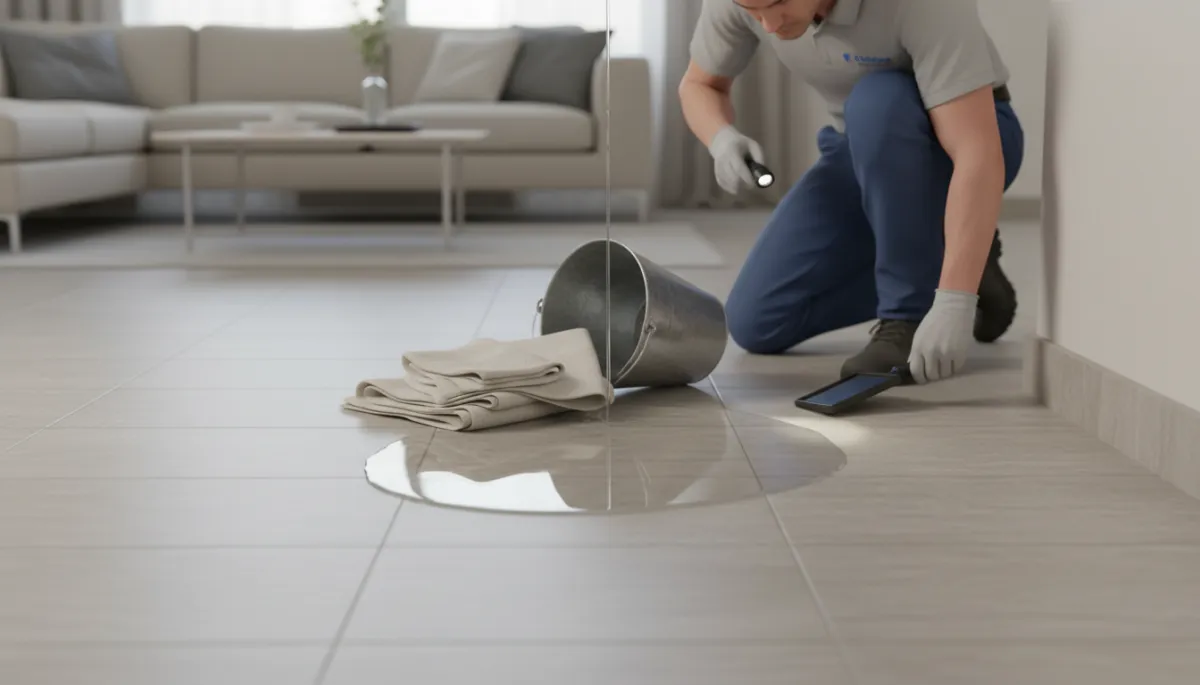
Local professionals can quickly locate hidden leaks and prevent long-term structural damage.
3. Why Acting Fast Matters in Robina’s Climate
In a warm, often humid suburb like Robina, acting fast is more than just convenient; it is essential. Within 24–48 hours, lingering moisture can encourage mould growth, which affects air quality and can trigger allergies and respiratory issues. Timber framing, plasterboard, and flooring can begin to swell or warp, turning a minor clean‑up into a major repair job that disrupts your home life and budget.
Quick action also helps with insurance. Many policies expect homeowners to take reasonable steps to minimise damage. By shutting off water promptly, drying out affected areas, and calling qualified help early, you demonstrate that you have done your part, making claim approvals smoother and more straightforward.
📌 Key Takeaway: The moment you notice unexpected water, treat it as urgent. Minutes and hours, not days, make the difference between a simple fix and a full‑scale restoration project.
Staying Prepared for the Next Unexpected Leak
Water where it shouldn’t be is never a welcome sight, but with a clear plan, Robina homeowners can respond confidently. Take a few minutes now to locate your main water shut‑off, save the numbers of trusted local plumbers, and keep basic supplies like towels, buckets, and a torch handy. These small steps mean that if water appears in the wrong place, you will know exactly how to act fast, protect your home, and keep damage to a minimum.
