
Plumber Gold Coast Blog
Home / Blog
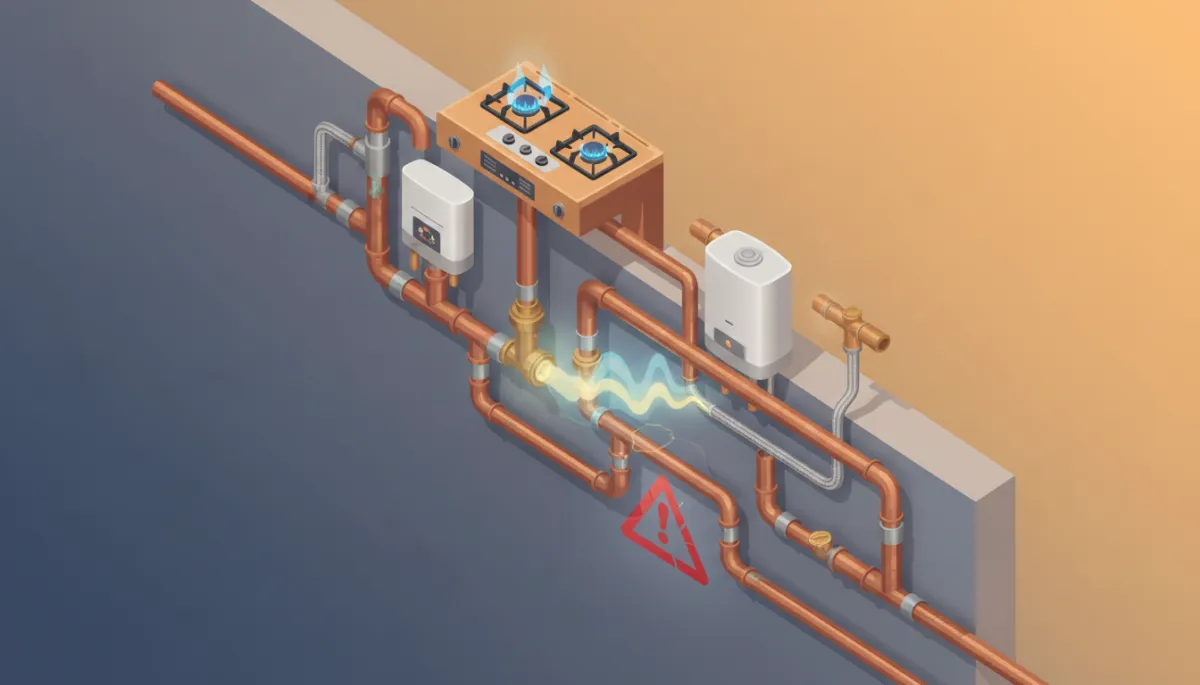
Ensure Gas Fittings Safety in Your Home
Home Safety, Gas Fittings
Your Gas Appliances Work Fine, But That Doesn't Mean Your Gas Fittings Are Safe
A quiet gas heater, a responsive cooktop, and a hot shower on demand can give you a false sense of security. Just because your gas appliances seem to work perfectly does not mean the pipes, joints, and fittings behind them are safe. In this article, we unpack why hidden gas fitting issues are so easy to miss, why they matter, and how to protect your home and family before something goes wrong. For specialist support, you can also speak with local Gold Coast gas fitting experts who work with these systems every day.
Working Appliances Can Hide Silent Problems
Gas appliances are designed to either work or shut down when something obvious goes wrong. If your cooktop lights, your heater turns on, and your hot water system delivers hot water, it is easy to assume everything in your gas system is fine. The reality is more complicated. Gas fittings—the pipes, joints, valves, regulators, and connections that carry gas to your appliances—can develop faults long before your appliances show any sign of trouble.
Small leaks, hairline cracks, corroded joints, or poorly tightened connections may not stop gas from reaching your heater or stove. In fact, your appliances can continue running “normally” while a dangerous amount of gas slowly escapes into wall cavities, roof spaces, or under-floor areas. You might not smell anything, you might not hear anything, and you may not see any visible damage—yet the risk is quietly increasing every day.
📌 Key Takeaway: Appliance performance tells you if the appliance works, not whether the gas fittings feeding it are safe.
What Exactly Are Gas Fittings, and Why Do They Matter?
When people think of “gas,” they usually picture the stove, heater, or hot water unit. But the real backbone of your gas supply is the fitting line that runs from the meter or gas bottles to each appliance. This system includes:
Rigid pipes (often copper or steel) running through walls, ceilings, and under floors
Flexible hoses that connect appliances to the fixed pipework
Joints, elbows, tees, and compression fittings where pipes change direction or split to serve multiple appliances
Isolation valves and regulators that control flow and pressure
Every single joint or connection is a potential weak point. Over time, even correctly installed fittings can be affected by building movement, corrosion, accidental impact, or simple wear and tear. If any part of this hidden network fails, gas can escape into areas you rarely see—posing a risk of fire, explosion, or carbon monoxide exposure, depending on where and how the gas accumulates.
Why “No Smell, No Problem” Is a Dangerous Myth
Many homeowners rely on their nose as the first and only line of defense. Because an odorant is added to gas, we expect to smell a strong “rotten egg” scent if there is a leak. But there are several reasons you might not notice a leak from faulty gas fittings, even when one exists:
Hidden spaces: Gas can leak into roof cavities, wall voids, or under floors, where it disperses slowly and never reaches your living areas in high enough concentrations to smell strongly.
Very small leaks: Minor leaks may be too subtle to detect by smell, especially if your sense of smell is reduced or if other household odors mask it.
Intermittent faults: Movement in the building or changes in temperature can cause fittings to leak only under certain conditions, making them hard to notice day-to-day.
⚠️ Warning: Relying on smell alone is not a reliable way to confirm that your gas fittings are safe. Only proper testing and inspection can do that.
Common Gas Fitting Issues That Don’t Stop Appliances Working
The most worrying gas fitting problems are often the ones that go unnoticed because everything appears to be functioning. Here are some typical issues a licensed gas fitter might find during an inspection, even in homes where all appliances “work fine”:
Undersized pipework: The gas line is too small for the number or size of appliances, causing low pressure, poor combustion, and increased carbon monoxide risk without necessarily stopping the appliance from operating.
Corroded or damaged fittings: Older metal pipes and joints may rust, pit, or crack, especially in damp or coastal environments, weakening them over time until a leak forms.
Loose connections: Vibration from appliances or slight building movement can gradually loosen threaded joints and unions, resulting in slow, persistent leaks.
Perished flexible hoses: Rubber or braided hoses behind ovens or heaters can crack or split as they age, especially if they are kinked, stretched, or exposed to heat.
DIY or non-compliant work: Unlicensed alterations, such as moving a stove, extending a gas line, or changing an appliance, can leave joints untested, unsupported, or installed with the wrong materials.
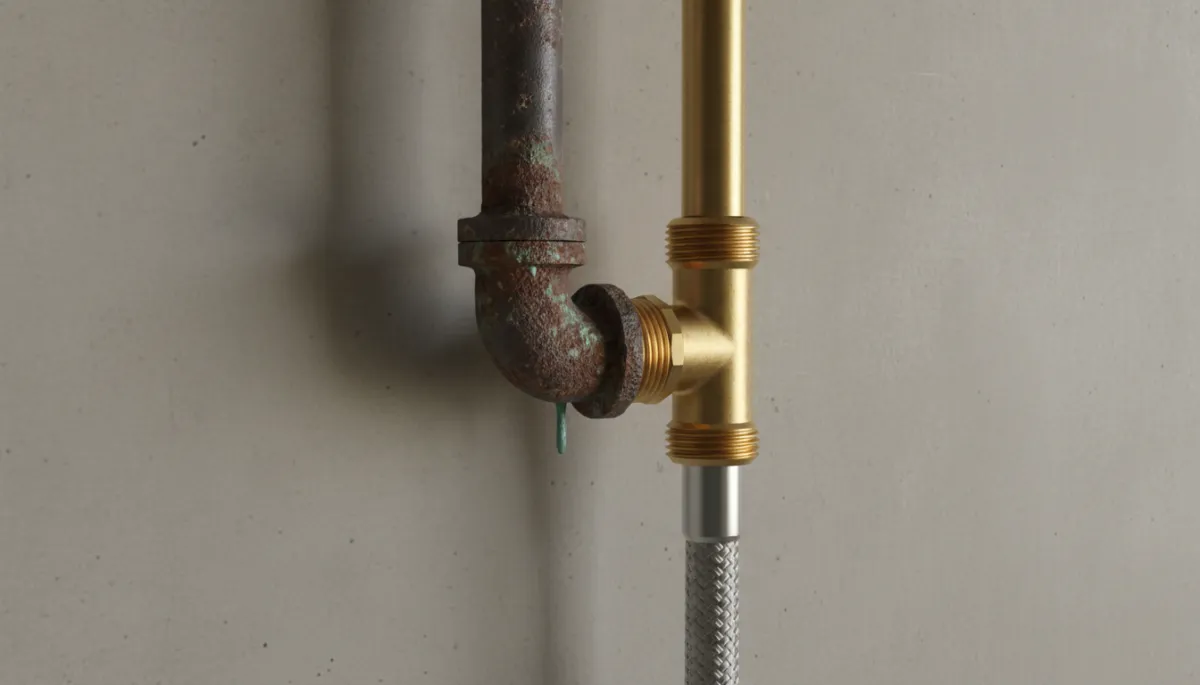
Aging gas fittings can look minor on the surface yet still leak dangerously over time.
The Hidden Risks: Fire, Explosion, and Carbon Monoxide
Gas is safe when it is properly contained and burned in a well-maintained appliance. When it escapes from faulty fittings, it becomes a serious hazard. Accumulated gas can ignite from something as simple as a light switch, a pilot flame, or static electricity. Even a small ignition can cause a powerful explosion if enough gas has built up in a confined space such as a roof cavity or basement.
Poorly installed or underserviced gas systems can also lead to incomplete combustion, which produces carbon monoxide—a colorless, odorless gas that can cause headaches, dizziness, nausea, and in high concentrations, can be fatal. You may never see or smell a problem until someone in the household starts feeling unwell, and by then the risk may already be severe.
Why Professional Testing Is the Only Reliable Safety Check
Visual checks and “it seems fine” are not enough when it comes to gas. Licensed gas fitters use a combination of methods to confirm that fittings are safe and compliant, including:
Pressure testing: The gas line is isolated and pressurised to see if it holds steady. Any drop in pressure indicates a leak somewhere in the system, even if it is too small to smell or hear.
Leak detection equipment: Sensitive gas detectors and soapy water tests help pinpoint the exact location of leaks around joints, valves, and appliance connections.
Compliance checks: The fitter will verify pipe sizing, support, ventilation, regulator settings, and appliance connections against current safety standards and manufacturer instructions.
💡 Pro Tip: Ask your gas fitter for written confirmation of test results and any remedial work completed so you have a clear record of your system’s condition.
When Should You Have Your Gas Fittings Checked?
You do not need to wait until you smell gas or an appliance stops working to book an inspection. In fact, waiting for obvious signs defeats the purpose of preventative safety. Consider having your gas fittings tested and inspected if:
Your property is more than 10–15 years old and has never had a dedicated gas safety check.
You have added, replaced, or relocated gas appliances in recent years.
You have bought or are about to buy a home with existing gas installations and do not know its service history.
You notice higher-than-usual gas bills without a clear explanation in usage patterns.
You experience symptoms such as frequent headaches, dizziness, or nausea when gas appliances are in use.
Simple Habits to Support Gas Safety at Home
While only a licensed professional can properly test and certify your gas fittings, there are practical steps you can take to support a safer home between inspections:
Keep the areas around gas appliances clear so you can see hoses, valves, and connections, rather than hiding them behind clutter.
Never attempt DIY gas work—even “simple” tasks like moving a stove or capping a pipe must be done by a licensed gas fitter.
Install carbon monoxide alarms where recommended, especially near gas heaters and in sleeping areas, and test them regularly.
Pay attention to changes—yellow or sooty flames, condensation, strange noises, or headaches when appliances run are all signals to call a professional.
The Bottom Line: Don’t Confuse “Working” with “Safe”
Your gas appliances may light instantly, run quietly, and deliver all the heat and hot water you need. That is reassuring—but it is not the full story. Your gas appliances work fine, but that doesn't mean your gas fittings are safe. The real risks are often hidden in the pipework and joints you never see, and they rarely announce themselves until the situation has become urgent.
Treat gas safety the same way you treat electrical safety or smoke alarms: as an essential part of looking after your home, not an optional extra. Scheduling regular inspections with a licensed gas fitter, keeping clear records of any work done, and paying attention to subtle warning signs can dramatically reduce the chance of a serious incident. The peace of mind that comes from knowing your fittings are tested, compliant, and safe is worth far more than the temporary comfort of assuming “it’s working, so it must be fine.”
If it has been years since anyone checked your gas system—or if nobody ever has—consider this your reminder. Don’t wait for a smell of gas, a sudden headache, or a frightening near-miss. Take proactive action now, and make sure the invisible parts of your gas installation are every bit as reliable as the appliances you use every day.


Plumbing issues can strike at any time, day or night. That's why our dedicated team offers round-the-clock emergency services.





Contact Us


Phone

Address Office
Shop 6001, Level 2/19 Robina Town Centre Dr, Robina QLD 4226
Copyright @ 2024. All Rights Reserved. Privacy Policy | Terms and Conditions