
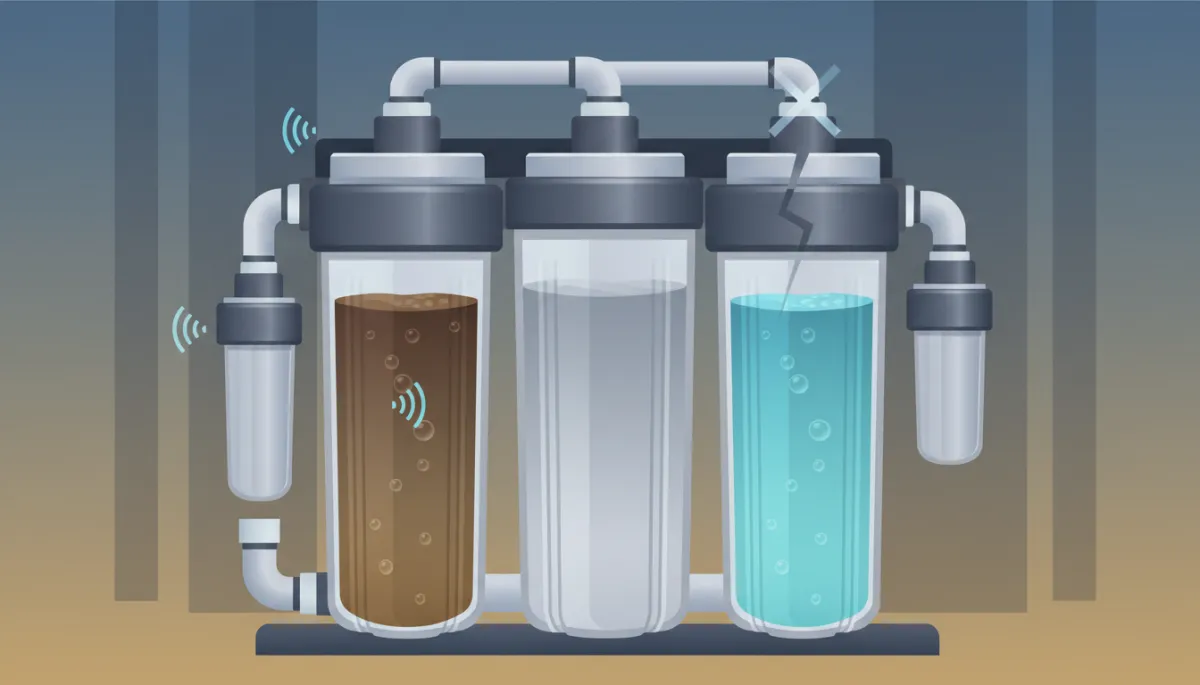
Prevent Filtration System Failures: Key Insights
Maintenance, Filtration Systems
Filtration Systems Don't Break Overnight — They Whisper First, Then They Quit
Filters protect the heart of your operation, whether that’s an HVAC unit, a water treatment line, or a production process. Understanding how they fail — and the subtle warnings they give — is the difference between smooth performance and sudden, costly downtime.
1. Filtration Systems Don't Break Overnight
When a filtration system suddenly “fails,” it rarely happens in a single dramatic moment. In reality, the breakdown is usually the end of a long, quiet process of gradual clogging, wear, and neglect. Filters are designed to capture particles, protect sensitive components, and keep fluids or air moving at the right quality and rate. As they do that job, they slowly load up with contaminants and experience increasing stress.
Ignoring this slow change can be expensive. A clogged air filter forces fans and motors to work harder, driving up energy costs. A neglected water filter can compromise product quality or safety long before anyone notices visible issues. And in industrial settings, a failed filter can mean production stoppages, emergency call-outs, and even damaged equipment that far outweighs the cost of routine maintenance or replacement parts.
The key mindset shift is this: filters are consumables, not afterthoughts. They have a predictable life, they age with every hour of operation, and they always give signals before they reach the point of no return. Treating them as strategic components — rather than simple accessories — is the foundation of reliable performance.
2. They Whisper First: Early Warning Signs You Can’t Afford to Miss
Before a filtration system fails, it whispers. Those whispers are small, easy-to-overlook changes that quietly tell you something is wrong. If you know what to look for, you can act early — on your schedule, not in the middle of a crisis. Some of the most common “whispers” include:
Subtle pressure changes: A slowly rising differential pressure across the filter, or a minor drop in downstream pressure, often signals that elements are loading up with debris.
Reduced flow or airflow: Pumps and fans may still be running, but flow rates start to sag, delivery times stretch, or rooms take longer to heat, cool, or ventilate.
Small quality shifts: Slight cloudiness in water, increased dust in the air, or minor inconsistencies in product quality can all point back to filters that are no longer performing at their best.
Unusual sounds or energy use: Motors straining, equipment cycling more often, or unexplained jumps in energy bills can signal that your system is working harder to push through a restricted filter.
These whispers are easy to miss when you are busy, especially if no one is explicitly responsible for listening. That is why simple habits — logging pressures, tracking filter changes, and visually inspecting elements on a schedule — are so powerful. They turn quiet hints into clear, actionable data. If your current setup keeps causing problems, it may be time for a proper water filtration system installation.
💡 Pro Tip: Pair each filter with a simple inspection checklist and a target replacement window. When readings drift or you hit that window, plan a change before problems surface.
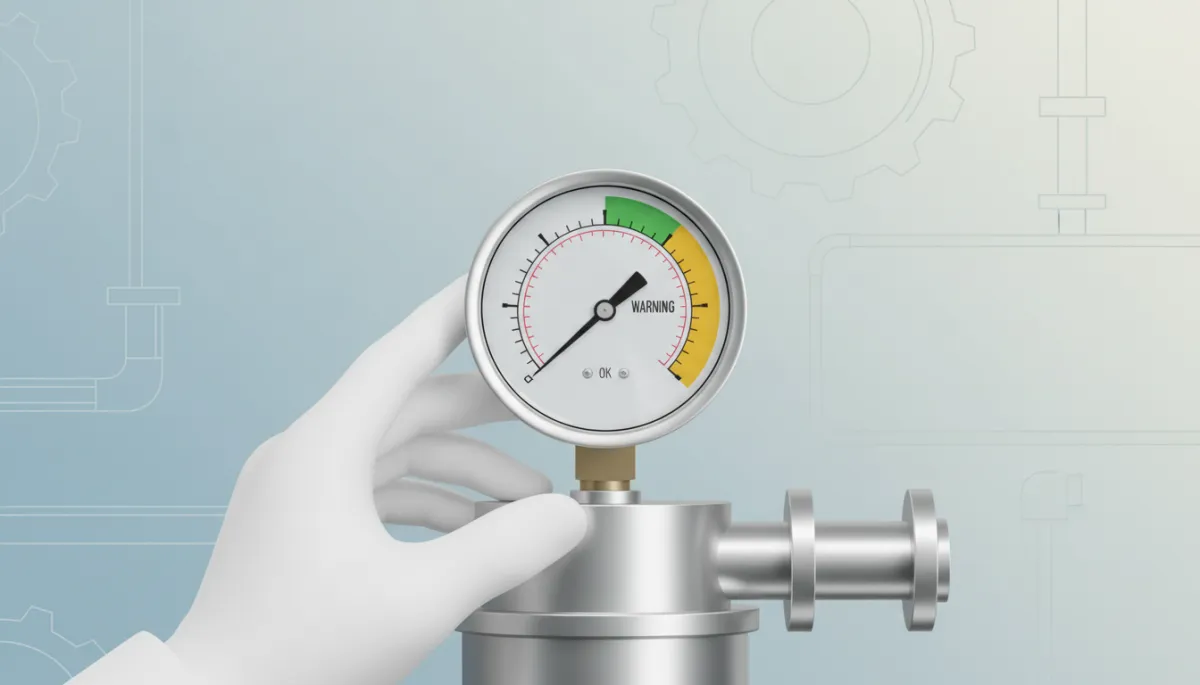
Routine gauge checks turn subtle filter problems into clear maintenance decisions.
3. Then They Quit: What Happens When You Ignore the Whispers
If the early warnings go unnoticed, filters eventually stop whispering — and they start shouting. At that point, they do not just underperform; they quit. A fully clogged filter can collapse, bypass, or rupture. Contaminants that were once safely captured can suddenly flood downstream, damaging valves, fouling heat exchangers, or contaminating final product. In HVAC systems, a failed filter can mean poor indoor air quality, occupant complaints, and even health risks.
Operationally, this is where the real costs show up: unplanned shutdowns, emergency service calls, rush-order parts, and lost production time. In customer-facing environments, it can also mean reputational damage when quality slips or comfort suffers. All of this typically stems from a component that could have been replaced in minutes, at a fraction of the cost, if it had been given attention earlier.
The good news is that this story is entirely avoidable. By accepting that filtration systems do not fail overnight, training your team to recognize the whispers, and building proactive inspections into your routine, you transform filters from a frequent source of surprises into a quiet, reliable backbone of your operation. The team at Black & White Plumbing can help you get there.


Plumbing issues can strike at any time, day or night. That's why our dedicated team offers round-the-clock emergency services.




Contact Us


Phone

Address Office
Shop 6001, Level 2/19 Robina Town Centre Dr, Robina QLD 4226
Copyright @ 2024. All Rights Reserved. Privacy Policy | Terms and Conditions